What is Oolong Tea?
“Black Dragon” 乌龙茶
Oolong tea exists in the space between green and black tea, but it is neither. It is an extraordinary category of tea defined not by a single flavor, but by the artistry of its making.
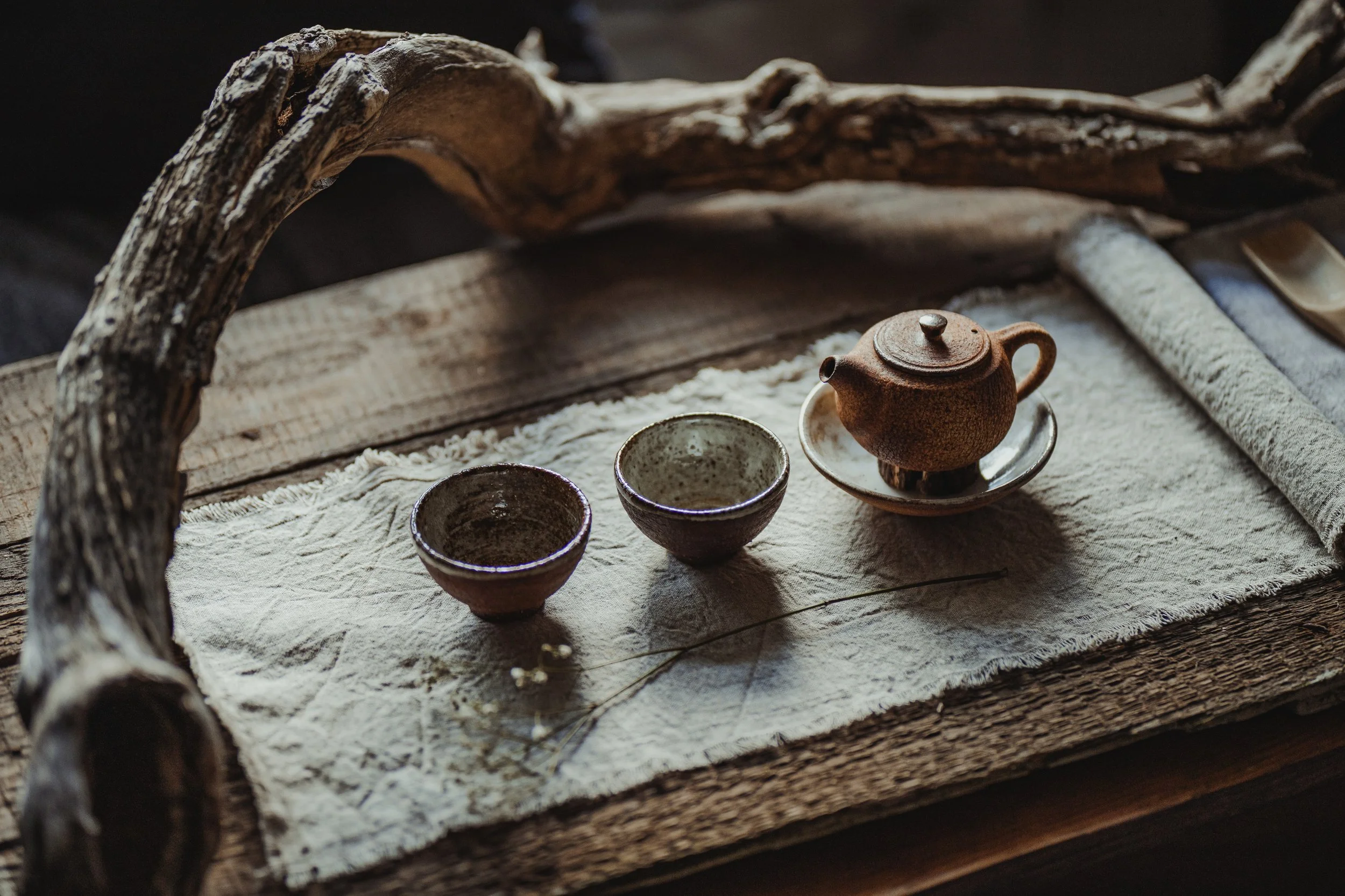
Captured by Mirko Stödter, Magdeburg/Germany
The defining characteristic of an oolong tea is its level of oxidation. Oxidation is a natural chemical process that begins when freshly picked tea leaves are exposed to air. As the leaves oxidize, their color, aroma, and flavor gradually transform.
Rather than being one distinct style, oolong is a broad category of tea. Like green, black, white, and pu-erh tea, oolong comes from the same plant, Camellia sinensis. What makes each tea unique is not the plant itself, but how the leaves are processed. Skilled tea makers carefully control withering, bruising, oxidation, and roasting to create an endless variety of aromas and flavors.
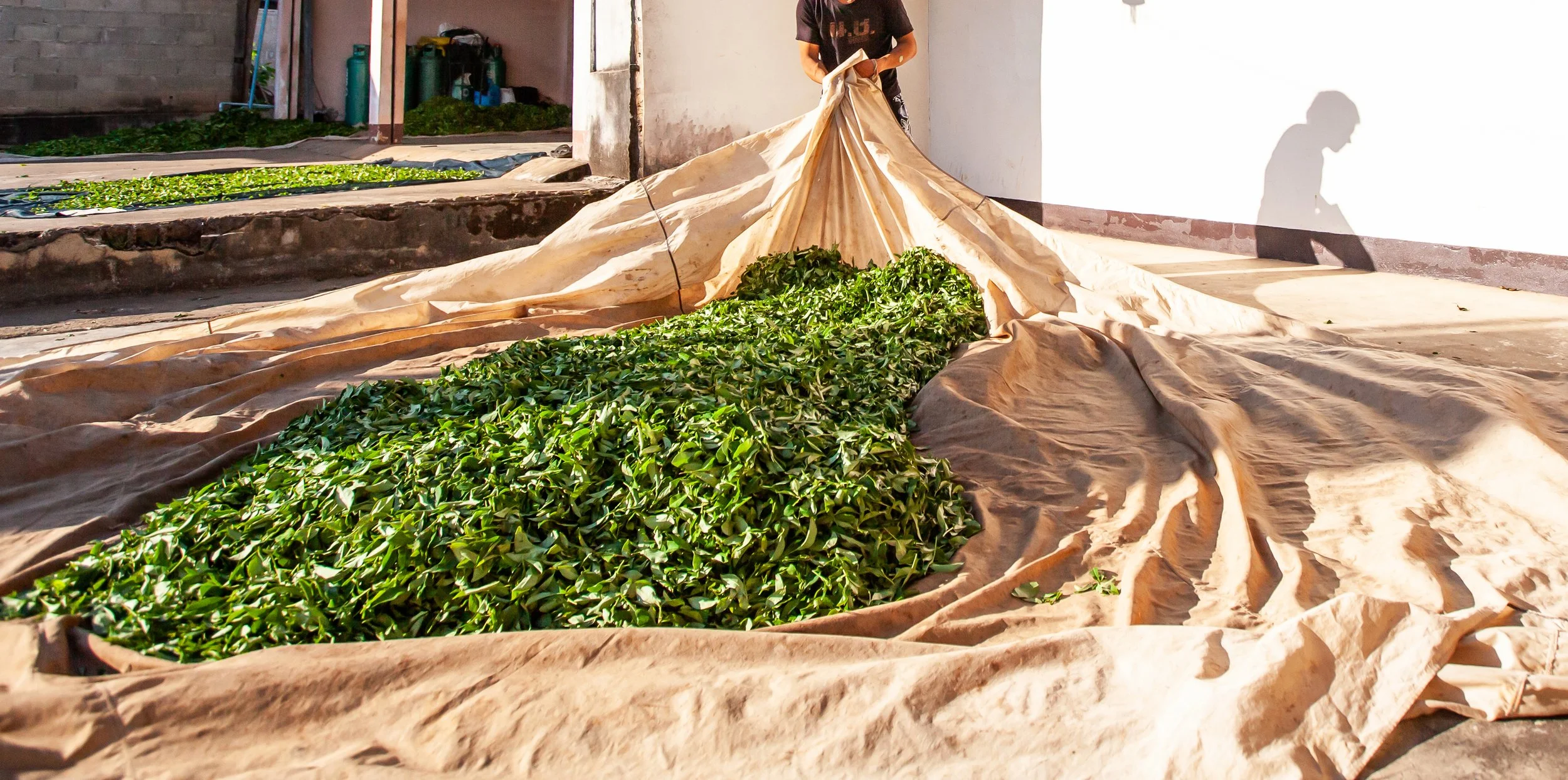
Captured by Tanes Ngamsom, Thailand
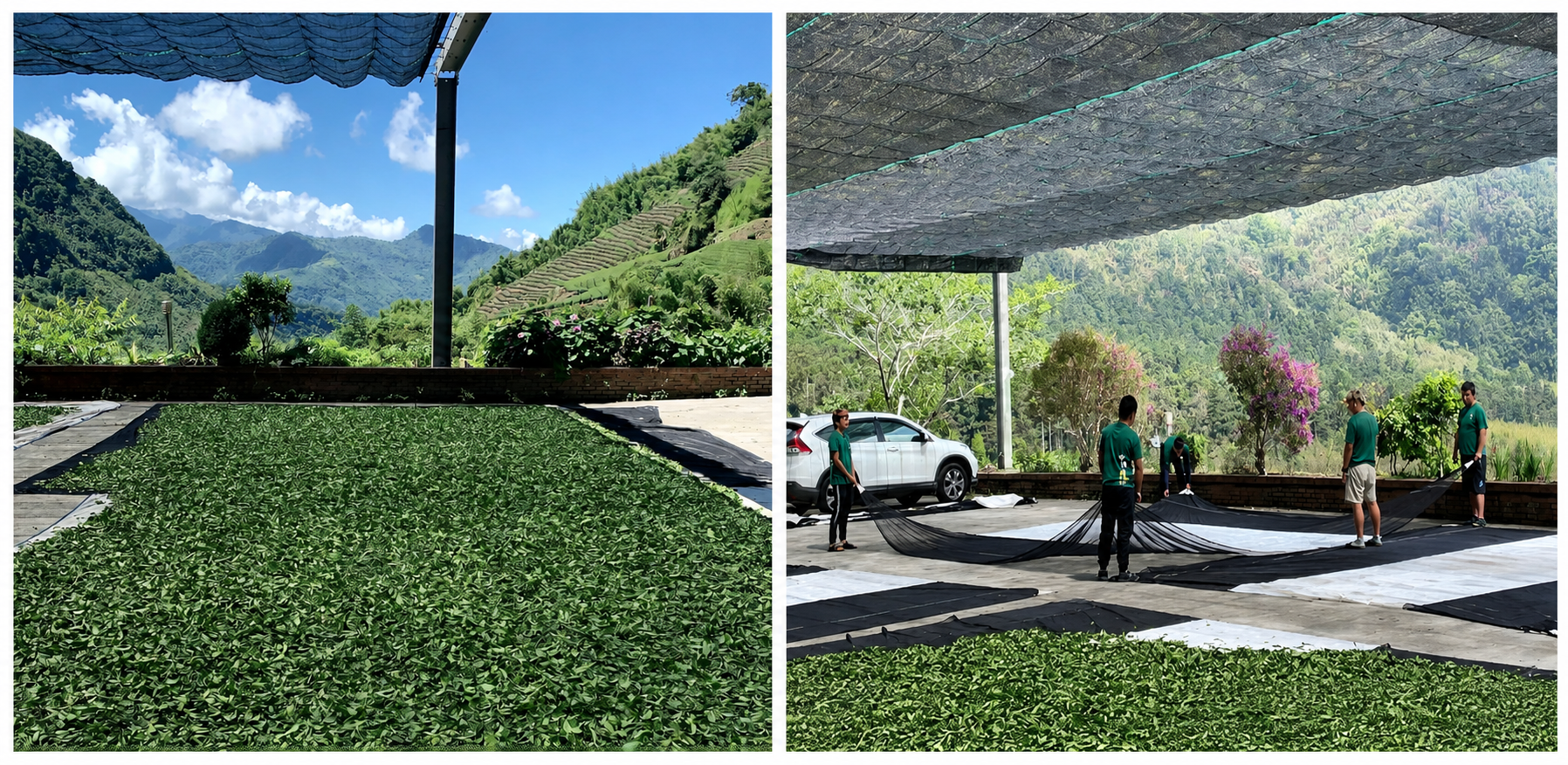
Zhuqi, Alishan Mountain Range, Taiwan
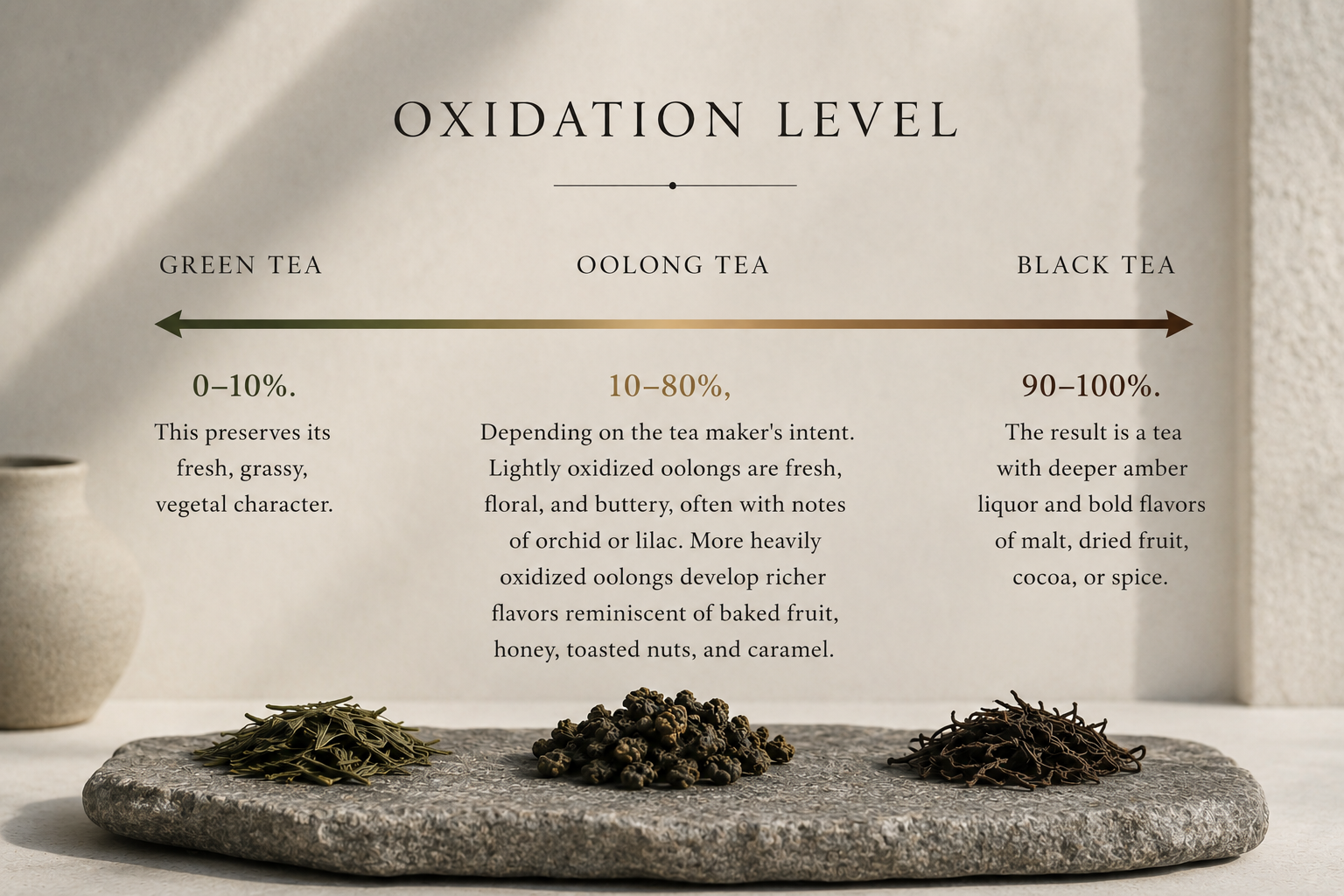
Green tea is heated shortly after harvest to halt oxidation almost entirely, typically resulting in an oxidation level of 0–10%. This preserves its fresh, grassy, vegetal character.
Black tea, by contrast, is allowed to oxidize almost completely, generally 90–100%. The result is a tea with deeper amber liquor and bold flavors of malt, dried fruit, cocoa, or spice.
Oolong tea occupies the broad spectrum between these two styles, with oxidation levels ranging from approximately 10–80%, depending on the tea maker's intent. Lightly oxidized oolongs are fresh, floral, and buttery, often with notes of orchid or lilac. More heavily oxidized oolongs develop richer flavors reminiscent of baked fruit, honey, toasted nuts, and caramel.
Oolong tea has its origins in China, where it has been produced for centuries, particularly in the Fujian province and the Wuyi Mountains. Historical records suggest that oolong emerged during the Ming and Qing dynasties as tea makers refined techniques that balanced the freshness of green tea with the depth of black tea. Today, China remains the world's largest producer of oolong, while Taiwan has become equally renowned for its exceptionally fragrant high-mountain oolongs. Smaller quantities are also produced in countries such as Thailand, Vietnam, and India, each offering its own unique expression of this remarkable tea.
Oolong is deeply woven into the tea cultures of southern China and Taiwan, where it is traditionally prepared using small teapots or gaiwans and enjoyed over multiple infusions. This style of brewing—often known as gongfu cha, or "making tea with skill"—encourages slower preparation and reveals the evolving character of the leaves with each steep.
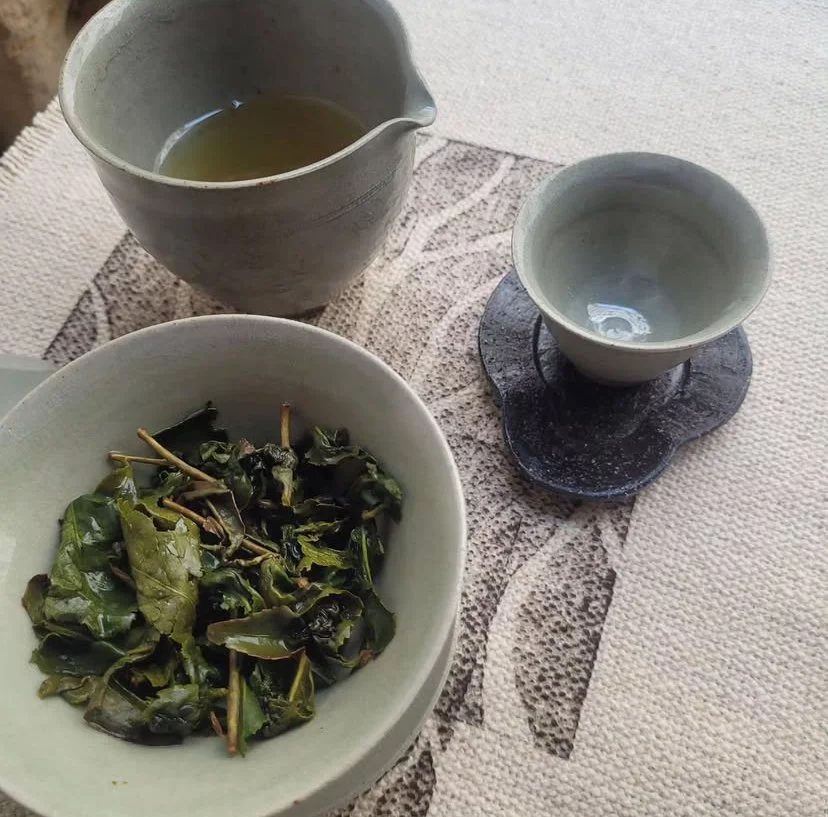
artéfact alishan tsou oolong
Whether you're just beginning your tea journey or have enjoyed tea for years, oolong offers an experience that rewards curiosity. Every harvest, region, and producer creates something unique, making each cup an invitation to slow down and discover another side of the tea leaf.